ChatGPT Image Jun 24, 2026, 06_17_07 PM

Instagram Just Changed How Brands Can Buy Into Viral Moments – And Most Marketers Have Not Caught Up Yet

Meta’s 2026 NewFronts announcement quietly rewrote the rules of Instagram advertising. If you are still running the same campaign setup you were six months ago, you are already behind.

The Problem With Instagram Advertising That Nobody Wanted to Say Out Loud

For the last several years, there has been an uncomfortable truth sitting at the centre of Instagram advertising that most brands have found easier to work around than to address directly. The platform’s content culture moves at a completely different speed from its advertising infrastructure.

When a cultural moment breaks, whether it is a major sporting event, a viral television premiere, a fashion week moment, or a global news story, the organic content on Instagram reacts within minutes. Creator posts flood in. Audio trends emerge. Reels multiply. The conversation is live, specific, and emotionally charged. And brands, constrained by the standard advertising buying process with its planning cycles and approval timelines, mostly watch from the sidelines or arrive days later with content that feels like it missed the wave entirely.

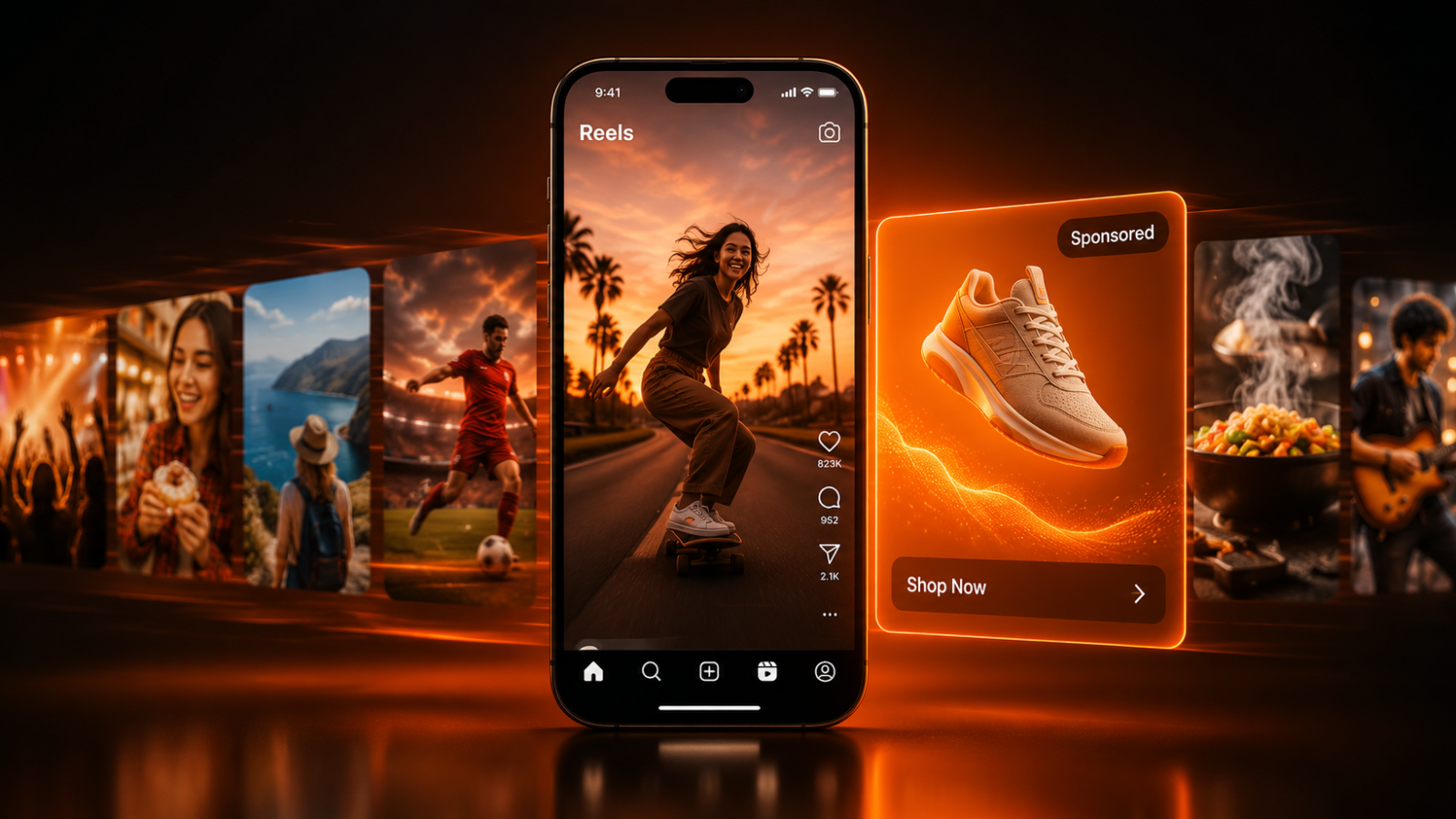
Meta’s Reels Trending Ads, announced at the 2026 NewFronts presentation in New York, is the most direct attempt yet to solve this problem. And if it works the way Meta intends, it represents a genuine shift in how brands can participate in the cultural moments that actually drive attention on the platform.

What Instagram Reels Trending Ads Actually Are

Reels Trending Ads, which Meta has been developing as a product, allow advertisers to place their ads adjacent to content that is actively trending on Instagram Reels at that moment. The core proposition is simple but significant: instead of targeting an audience based on their demographics or interests and hoping your ad appears in a contextually relevant moment, you can now specifically buy placement within the trending content environment of a particular cultural moment.

The 2026 NewFronts expansion took this capability significantly further. Instagram announced it was adding new content categories to the Reels Trending Ads inventory, specifically TV and movies, travel, business, and finance and investments, alongside the existing categories of fashion, beauty, pets, autos, and sports. More importantly, Meta introduced dedicated content lineups for what it is calling key cultural moments. These include Formula 1 races, Fashion Week, Black Friday, and NFL games.

Meta also announced a new reserve-buying option in limited alpha testing, designed to help advertisers secure a concentrated share of audience attention during a short window of up to 24 hours around a specific cultural moment. Combined with expanded creator marketplace filtering that makes it easier for brands to find creators whose audiences align precisely with their target demographic, the announcement represents the most comprehensive update to Instagram’s advertising capabilities in several years.

Why This Changes the Game for Brands Who Move Fast

Cultural Relevance Has Always Been the Most Expensive Thing to Buy

Before Reels Trending Ads, brands had two options for participating in cultural moments on Instagram. They could invest in organic content creation, which requires exceptional speed, a pre-approved creative process, and a social team empowered to act within hours. Or they could sponsor the cultural moment itself through official partnerships, which works for the biggest brands with the biggest budgets but is economically inaccessible for most businesses.

Reels Trending Ads creates a third path. A brand can place its ads in the environment where a cultural moment is happening, without needing to create content about that moment or sponsor the event itself. The adjacency to the trending content does the contextual work. If your ad for a sports nutrition brand appears within the F1 race trending content environment, you are benefiting from the emotional energy of the moment without needing to be an official F1 partner.

The 24-Hour Reserve Window Is a Fundamentally New Capability

The reserve-buying option that Meta announced in limited testing is the element that has generated the most discussion among advertising professionals. The ability to pre-buy a concentrated share of audience attention during a specific 24-hour cultural moment changes the planning calculus for major campaign launches significantly.

Consider what this means in practice. A brand launching a new product during Fashion Week can now guarantee meaningful reach within the Fashion Week trending content environment for a specific 24-hour window, when attention to fashion-related content on the platform is at its peak. Previously, this kind of contextual concentration required either official event sponsorship or a paid media strategy based on audience targeting that had no guarantee of hitting users at the moment of peak cultural engagement.

Creator Marketplace Filtering Gets Significantly Smarter

The enhanced target-audience filtering for Instagram’s creator marketplace, which includes over 1.5 million creators, addresses one of the most consistent pain points in influencer marketing: finding the right creator for a specific audience rather than the right creator for a specific reach number. The new filtering allows brands to identify creators whose audiences align with their target demographic at a level of precision that was previously only available through manual vetting or specialist agency tools.

Combined with the addition of Facebook Collabs to the Partnership Ads Hub, which allows brands to amplify creator content through paid distribution, these changes bring creator marketing and performance advertising closer together in a single planning and buying environment than they have ever been before.

The Honest Complications Worth Understanding

Context Adjacency Is Not the Same as Context Alignment

Appearing alongside trending content is not the same as being genuinely relevant to that content. A brand that places ads within the F1 trending environment but has no meaningful connection to motorsport, speed, precision, or any of the emotional associations of Formula 1 racing is simply buying eyeballs in a competitive environment, not building contextual relevance. The advertising opportunity only works if there is a genuine connection between what the brand offers and the cultural moment it is placing itself within.

This distinction matters because brands will inevitably try to use trending ad placements in cultural moments that have no logical connection to their product category. When that happens, the placement creates dissonance rather than relevance. The user’s emotional state, engaged with content about something they care about, collides with an ad for something entirely unrelated. The result is often worse than a standard feed ad that at least appears in a neutral context.

Speed Requirements Are Significant

To genuinely capitalise on the Reels Trending Ads opportunity around cultural moments, brands need to have creative assets ready before the moment arrives. A 24-hour reserve window requires that you have already decided what your ad will say, how it will look, and what action you want the viewer to take. For most brand teams operating with traditional creative approval processes, producing campaign-ready assets that are contextually relevant to a cultural moment and ready to deploy in advance of that moment requires significant changes to how they plan and produce content.

The Cost Premium for Trending Inventory

Premium inventory during high-attention cultural moments will command premium pricing. The reserve-buying option in particular is likely to create competitive bidding dynamics around major events, where multiple brands in adjacent categories compete for the same concentrated audience window. For smaller brands and smaller budgets, the economics of competing for trending inventory during the biggest cultural moments may not be viable. The opportunity is real, but it is not democratically priced.

What This Means for Indian Brands Specifically

IPL Is the Biggest Untapped Trending Moment on Indian Instagram

The Indian Premier League generates some of the highest social media engagement volumes of any recurring cultural moment in India. During IPL season, Instagram and social platforms in general see dramatic spikes in cricket-related content, sports adjacent advertising, and brand activations. The ability to reserve a concentrated share of audience attention during specific high-attention match windows represents exactly the kind of cultural moment adjacency that Reels Trending Ads was built for. Indian brands in sports nutrition, beverages, apparel, fintech, and entertainment should be having serious conversations about this capability right now, before IPL 2027 planning cycles begin.

Festivals Are the Fashion Weeks of India

Diwali, Navratri, Durga Puja, Onam, and Eid each generate massive spikes in Instagram content and engagement. Brands that sell gifting products, fashion, food, home decor, jewellery, or any category with a strong festive association have an enormous opportunity to use trending content inventory during these windows to reach audiences who are in an actively purchasing mindset and consuming content directly related to their product category. The combination of cultural timing, contextual relevance, and reserve buying could make festive season advertising significantly more efficient than standard audience-targeted campaigns.

Preparation Is Everything

The brands that will win with Reels Trending Ads are not the ones that react to the announcement. They are the ones that map their annual cultural moment calendar right now, identify the three to five moments where their brand has genuine contextual relevance, build creative assets tailored to each of those moments in advance, and have buying strategies prepared before the moment arrives. Cultural moment advertising rewards preparation above everything else.

Final Thoughts: The Platform Is Finally Catching Up to How Culture Actually Works

For years, Instagram has been simultaneously the most culturally vibrant advertising platform and the one most frustrating to use for brands trying to participate in that culture in real time. The organic side moves at the speed of conversation. The paid side moves at the speed of campaign planning cycles. That gap has cost brands enormous amounts of relevance and effectiveness.

Reels Trending Ads, and particularly the reserve-buying capability and cultural moment lineups announced at the 2026 NewFronts, is the most serious attempt Meta has made to close that gap. It will not be perfect immediately. The pricing dynamics will take time to stabilise. The measurement standards will need to evolve. And brands will make mistakes applying trending inventory to moments where they have no genuine contextual relevance.

But the direction is right. And the brands that understand the opportunity early, plan for it deliberately, and show up with contextually genuine creative at the moment of peak attention will get returns that standard campaign planning has never been able to deliver.

Culture does not wait for your approval process. Now, at least, your media buy does not have to either.

mylstone 5 blog (2)

Unilever Just Replaced Its Ad Agency With 300,000 Influencers. And the Entire Industry Is Paying Attention.

When the world’s second-largest consumer goods company calls traditional advertising lazy and pivots half its budget to creators, it is not a trend. It is a turning point.

The Statement That Shook the Marketing World

In February 2026, Fernando Fernandez stood before an audience of investors at the Consumer Analyst Group of New York conference and said something that made every advertising executive in the world sit up a little straighter. The Unilever CEO, who had taken the role in March 2025 as one of the first major leadership changes at the FMCG giant in years, delivered what amounted to a funeral notice for traditional brand advertising.

The time of lazy marketing, a couple of ads a year for a couple of innovations, is gone. Marketing today is hard work.

He rated Unilever’s own current marketing execution at six or six and a half out of ten. He said that broadcasting messages from big brands had become suspicious. And then he described the solution: a distributed network of 300,000 human voices recommending Unilever’s brands across markets, replacing the singular authority of the corporation with the trusted credibility of people.

To be clear about the scale of what was announced: two years ago, Unilever worked with roughly 10,000 advocates. Today, that number is 300,000. The company has shifted 50 percent of its total advertising budget to social media, up from 30 percent. And in its beauty and wellbeing division alone, the number of creators grew from 75,000 to 180,000 in a single year.

This is not a test. This is a fundamental reimagining of how one of the world’s most powerful marketing machines operates. And every brand, from Fortune 500 companies to local startups in Chennai, needs to understand what it means.

Why Unilever Made This Move and Why It Makes Sense

Consumer Trust Has Shifted Irreversibly

Fernandez’s phrase, broadcasting messages from big brands can become suspicious, captures something that every piece of consumer research over the last decade has been showing consistently. Trust in institutional communication, whether from governments, corporations, or traditional media, has been declining for years. In contrast, trust in people, specifically in people who seem like us and who share our interests and experiences, has remained high.

Nielsen’s global trust research, Edelman’s annual trust barometer, and dozens of category-specific studies all show the same pattern: a recommendation from a person I feel is like me outperforms a message from a brand I know is trying to sell me something. Unilever did not create this dynamic. They recognised it and built their strategy around it.

The SASSY Model: Culture First, Brand Second

Unilever’s strategic framework for this transformation is what Fernandez calls the SASSY model, an approach that emphasises contemporary relevance, social validation, and constant innovation. The philosophy embedded in it is that brands must feel current, shaped by culture rather than imposed upon it. This is a significant departure from traditional brand management thinking, which typically starts with the brand’s desired position and then finds ways to communicate it. SASSY inverts that. Start with culture. Find where the brand fits authentically within it. Then amplify through people who already live in that culture.

The Hyperlocal Ambition

One of the most revealing quotes from Fernandez’s announcement was specific and quantitative in a way that corporate vision statements rarely are. He said: there are 19,000 zip codes in India. There are 5,764 municipalities in Brazil. I want one influencer in each of them. This is not influencer marketing as most people understand it. It is not about celebrity reach or aspirational positioning. It is about hyper-local trust, the specific credibility that comes from someone in your neighbourhood, your city, your community recommending something they use themselves.

For a brand like Hindustan Unilever in India, which sells products ranging from Dove soap to Surf Excel to Horlicks across every income bracket and every geographic region, this hyper-local approach has profound implications. A micro-influencer in a tier three city in Tamil Nadu has a form of credibility with their local audience that no national brand campaign, regardless of budget, can replicate.

The Ripple Effects That Are Already Being Felt

Fortune 500 Brands Are Following Immediately

Marketing consultants reported that inbound calls from Fortune 500 brands surged immediately after Unilever’s announcement, with companies explicitly citing Unilever as the reason they wanted an influencer roadmap built. Sarah Mansfield, a former Unilever global media VP who now advises brands, put it simply: where Unilever goes, others follow. Earnings calls from General Mills, Gap, Victoria’s Secret, and Bath and Body Works echoed the same pattern, with executives outlining expanded influencer spending plans.

Creator Rates Are Already Shifting

Unilever’s 20x expansion in creator partnerships has had immediate and measurable effects on the influencer market’s pricing dynamics. Established macro creators have already moved to raise their rates as competition for their partnerships intensified. Micro-influencers in key categories have seen fees rise by around 30 percent year-on-year. The Interactive Advertising Bureau projects US creator spending will reach 37 billion dollars in 2025, up 26 percent year-on-year. Linqia’s survey of 200 marketers found 62 percent plan to increase influencer budgets in 2026.

AI Is the Only Thing Making This Scale Possible

Fernandez was explicit about the role of AI in making the 300,000 creator strategy operationally viable. Unilever increased the number of content assets it produces for beauty and wellbeing brands sevenfold in a single year. This is only possible, as Fernandez acknowledged, through the adoption of AI at scale in content creation. Managing the contracts, briefs, usage rights, and performance tracking for 300,000 creator relationships without AI infrastructure is not just difficult. It is impossible at the speed and volume this strategy requires.

The Real Risks Nobody Is Fully Solving Yet

Brand Control at This Scale Is a Genuine Problem

Jane Ostler of Kantar articulated the challenge clearly. Brands typically have little control over influencers’ output. This might be acceptable when working with a select few, but monitoring 300,000 creator relationships to ensure brand alignment, appropriate tone, accurate product claims, and no reputational risk is a fundamentally different management challenge. A single controversial creator association can damage both the creator’s relationship with their audience and the brand’s standing with consumers who trusted that creator’s endorsement.

Measurement Remains the Industry’s Biggest Unresolved Problem

Fernandez himself acknowledged that Unilever is still working to understand which variables drive genuine return on investment in this new creator ecosystem. Influencer marketing has always struggled with attribution. When someone buys Dove soap after seeing a creator recommendation, how do you isolate that recommendation as the cause of the purchase? When 300,000 creators are all contributing to brand consideration simultaneously, attribution becomes almost impossibly complex. The industry is investing heavily in measurement infrastructure, but the honest answer is that it is not yet solved.

Market Saturation Is a Growing Risk

According to Collabstr, the number of user-generated content creators grew 93 percent year-on-year in 2024. As the creator economy floods with new entrants competing for brand partnerships, the average spend per collaboration has actually declined, dropping from 214 dollars in 2024 to 202 dollars in 2025. This dynamic suggests that the creator economy, while growing rapidly, is also becoming more crowded at the entry level. The brands that win will be the ones with sophisticated systems for identifying, vetting, and partnering with creators who have genuine audience trust rather than simply large follower counts.

What This Means for Indian Businesses Right Now

The Opportunity Is Enormous and the Window Is Open

India has one of the world’s largest and fastest-growing creator economies. The infrastructure of micro-influencers across regional languages, cities, and interest communities that Fernandez’s 19,000 zip code vision imagines is already partially built in India. Brands that start building genuine relationships with regional creators now, before the market becomes as competitive and expensive as it will inevitably become, are making the single most leveraged marketing investment available to them.

Authenticity Cannot Be Manufactured at Scale

The fundamental reason Unilever’s strategy works is that creators who genuinely use and believe in a product produce content that their audiences can feel is authentic. The moment creator partnerships become purely transactional, the content loses its credibility and the strategy loses its power. Indian brands building creator programmes need to invest in finding creators who actually fit their brand world, not just creators who have the right follower count. Genuine product alignment is the only sustainable foundation for creator marketing at scale.

Final Thoughts: The Age of the Broadcast Brand Is Ending

Unilever’s pivot signals a major shift in marketing. Brands are moving away from polished, one-way advertising and toward creator-led communication. Trust is increasingly built through people rather than corporate messaging. Today, a recommendation from a trusted creator often carries more weight than a message from the brand itself.

This does not mean that brand strategy, creative excellence, or production quality stop mattering. It means that the channel through which those things reach consumers is changing in a way that is irreversible and accelerating.

Unilever called traditional advertising lazy. The brands that are paying attention are already finding a different way to work.

det (7)

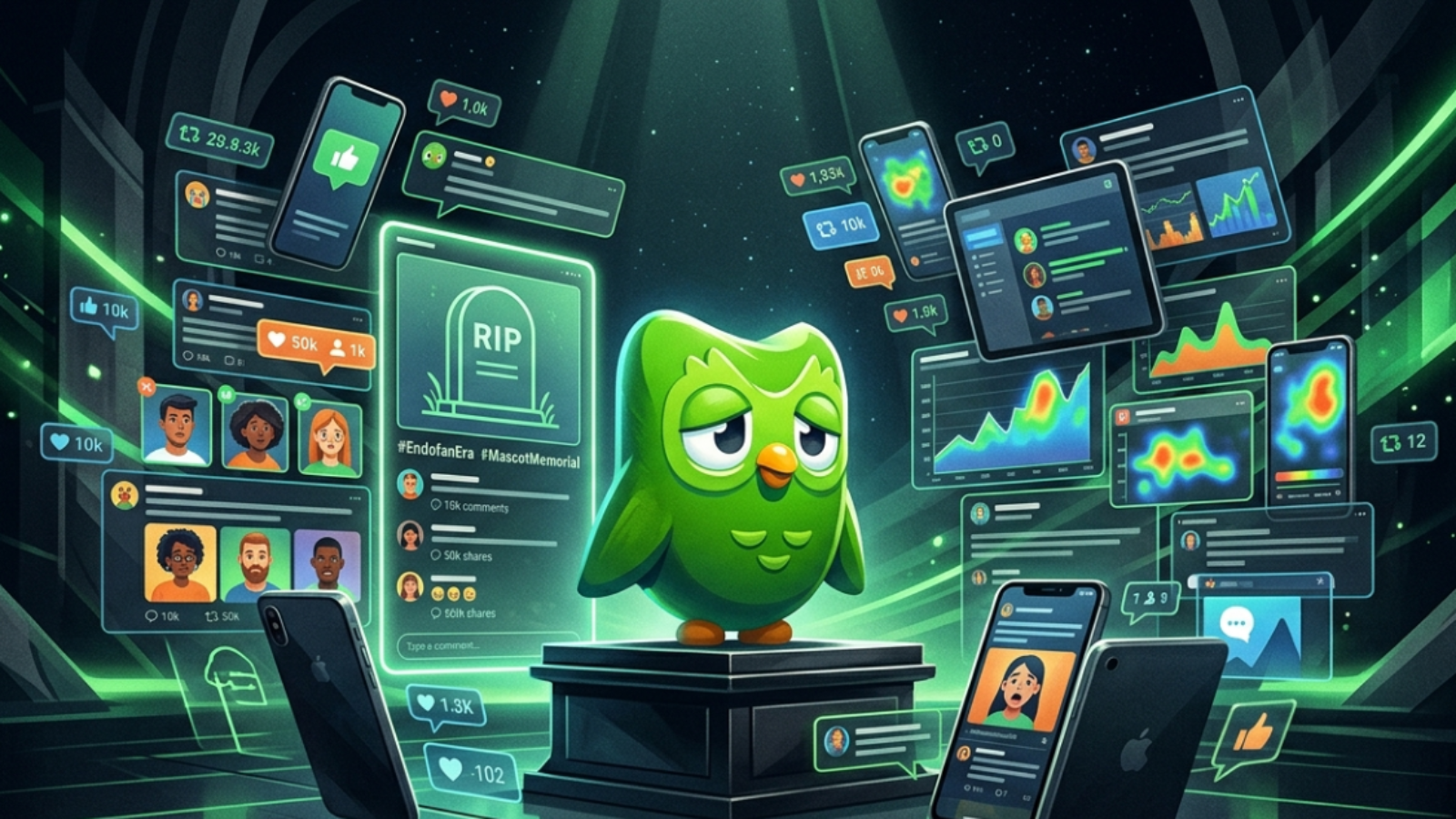
How Duolingo Killed Its Own Mascot and Got 120 Million Views: The Stunt Marketing Bible Every Brand Needs to Read

In February 2026, Duolingo announced its beloved green owl was dead. What followed was one of the most studied, most copied, and most misunderstood marketing moments of the decade.

The Day the Owl Died and the Internet Lost Its Mind

On a regular February morning in 2026, Duolingo’s social media accounts went quiet in a very specific way. A single post appeared across their platforms. No product announcement. No promotion. Just the news that Duo, the green owl who had spent years guilting millions of people into completing their Spanish lessons, was dead. Hit by a Tesla Cybertruck. Gone.

The internet did exactly what Duolingo knew it would do. It reacted. Loudly, emotionally, and at enormous scale. Memes flooded every platform within hours. News outlets covered it as a genuine cultural moment. Celebrities commented. Dua Lipa shared it organically, generating 667,000 engagement actions from a single reshare. By the time Duo was eventually resurrected through users completing their daily lessons, the campaign had accumulated over 120 million views on TikTok alone and generated 1.7 billion total impressions. For context, that was twice the social conversation of the top Super Bowl ads that same year.

The budget for this campaign was not in the hundreds of millions. The concept was essentially a scripted social media narrative with a video and some posts. What it cost in money, it more than replaced in creative courage and deep knowledge of how its community actually behaves online.

This blog is a full teardown of why the Duolingo stunt worked so devastatingly well, what most brands get wrong when they try to replicate it, and what the real lessons are for businesses that want to create genuine cultural moments without a nine-figure marketing budget.

The Years of Work Nobody Talks About

Here is the single most important context that most analysis of the Duolingo campaign leaves out: the Duo is Dead stunt did not come from nowhere. It was the culmination of years of consistent, deliberate brand personality building that made the stunt possible.

For several years before 2026, Duolingo had been building a social media presence that was genuinely unusual for a technology company. Duolingo leaned into Duo’s reputation as a passive-aggressive, guilt-tripping mascot. The team created content that acknowledged and amplified the internet’s jokes about the owl. Rather than ignoring memes, they responded in kind and became part of the conversation. Over time, they built an entire character mythology around Duo that the community actively participated in, expanded, and genuinely cared about.

By the time the death announcement happened, Duo was not just a brand mascot. He was a cultural character that millions of people had a genuine emotional relationship with. You cannot manufacture that in a single campaign. You build it over years of consistent, courageous, audience-native content. The stunt was the payoff. The work was everything that came before it.

What Made This Specific Stunt Work

It Was Completely On-Brand

The single most important reason this worked is that killing Duo was not a departure from Duolingo’s brand personality. It was a direct expression of it. Duolingo had always been irreverent, self-aware, and willing to lean into the darker edges of its own lore. A death announcement was shocking in content but completely consistent in tone. The audience did not feel ambushed by an unfamiliar brand. They felt like Duolingo had just done the most Duolingo thing possible.

It Invited Participation, Not Just Consumption

The resurrection mechanic was brilliant because it gave the audience agency. Duo could come back if users completed their language lessons. Suddenly the community was not just watching a marketing stunt. They were characters in it. The line between the campaign and the product dissolved completely, and that dissolution is exactly what turned passive viewers into active participants who shared the story because they felt like co-authors of it.

The Timing Was Precise

Duolingo did not drop this campaign in a news-heavy week when it would compete for attention. They found a quiet cultural moment, made their own noise, and owned the conversation for days. The team also moved at the speed of the internet. Responses to comments, reactions to memes, follow-up content all appeared within hours. In the attention economy, the brands that move at the pace of cultural conversation will always beat the ones that move at the pace of corporate approval processes.

It Was Emotionally Specific

Death is universally understood. Grief is universally felt. Even when the subject is a cartoon owl, the emotional architecture of loss and potential resurrection taps into something genuinely human. Duolingo wrapped a product engagement mechanic inside an emotional narrative, and the emotional narrative is what made millions of people care enough to engage, share, and talk about it long after the initial announcement.

Why Most Brands Will Fail If They Try to Copy This

Every time a campaign like this goes viral, a wave of brands attempts to replicate the approach. Most of them fail, and they fail for predictable reasons.

They Copy the Tactic Without Building the Foundation

A brand that has spent years communicating like a corporate press release cannot suddenly announce that its mascot has died and expect the internet to care. The emotional investment an audience has in a brand character is earned through years of consistent, personality-driven content. Stunt marketing without an established brand relationship is just noise. Occasionally expensive, often embarrassing noise.

They Chase Virality Instead of Relevance

The Duolingo campaign went viral because it was relevant to its community, not because it was designed to go viral. There is a meaningful difference. Content designed to go viral tends to feel desperate and calculated. Content designed to be genuinely relevant to a specific community tends to spread because the community chooses to spread it. The goal should never be the numbers. The goal should be a genuine moment for the audience you have built.

They Cannot Move Fast Enough

Most large brand organisations cannot produce, approve, and publish reactive content within hours. The legal review, the multiple approval layers, the agency briefing process, all of it adds time that kills the cultural moment. Duolingo succeeded partly because they had built an internal structure that allowed their social team to move at internet speed. That structure is a competitive advantage most brands have not invested in building.

What Any Business Can Actually Take From This

Invest in Brand Personality Before Brand Stunts

Start building a consistent, specific, human brand voice today. Not because you are planning a stunt, but because a brand with genuine personality creates the conditions where bold moves become possible. Every piece of content that feels authentically yours is a deposit into the emotional bank account your audience holds on your behalf.

Make Your Audience Part of Your Story

The resurrection mechanic was the smartest part of the entire campaign because it made the audience necessary to the outcome. Find ways to build participation into your marketing that go beyond asking people to comment or share. Give them genuine agency in your brand story. Let the outcome depend on them in some real or perceived way. That sense of stakes is what transforms passive followers into active community members.

Give Your Team Permission to Be Brave

No creative team is going to pitch a campaign where the beloved brand mascot dies unless they feel safe enough to do so. The brands that consistently produce breakthrough creative have built cultures where bold ideas are welcomed rather than filtered out by risk aversion before they ever reach a decision maker. The best marketing decisions are almost always the ones that made someone in the room uncomfortable.

Final Thoughts: The Owl Was Never Really About the Owl

The Duolingo campaign generated 1.7 billion impressions. But the number that matters more is the one that did not make the headlines: the number of people who opened the Duolingo app and completed a lesson because their owl needed to be saved. That is a product engagement metric dressed in a marketing costume, and it is the clearest possible demonstration of what great brand storytelling is actually supposed to do.

Great marketing does not just get attention. It converts attention into action in a way that feels so natural and human that the audience does not experience it as marketing at all. They experience it as participation in something they care about.

The owl died. The strategy never did.

det (5)

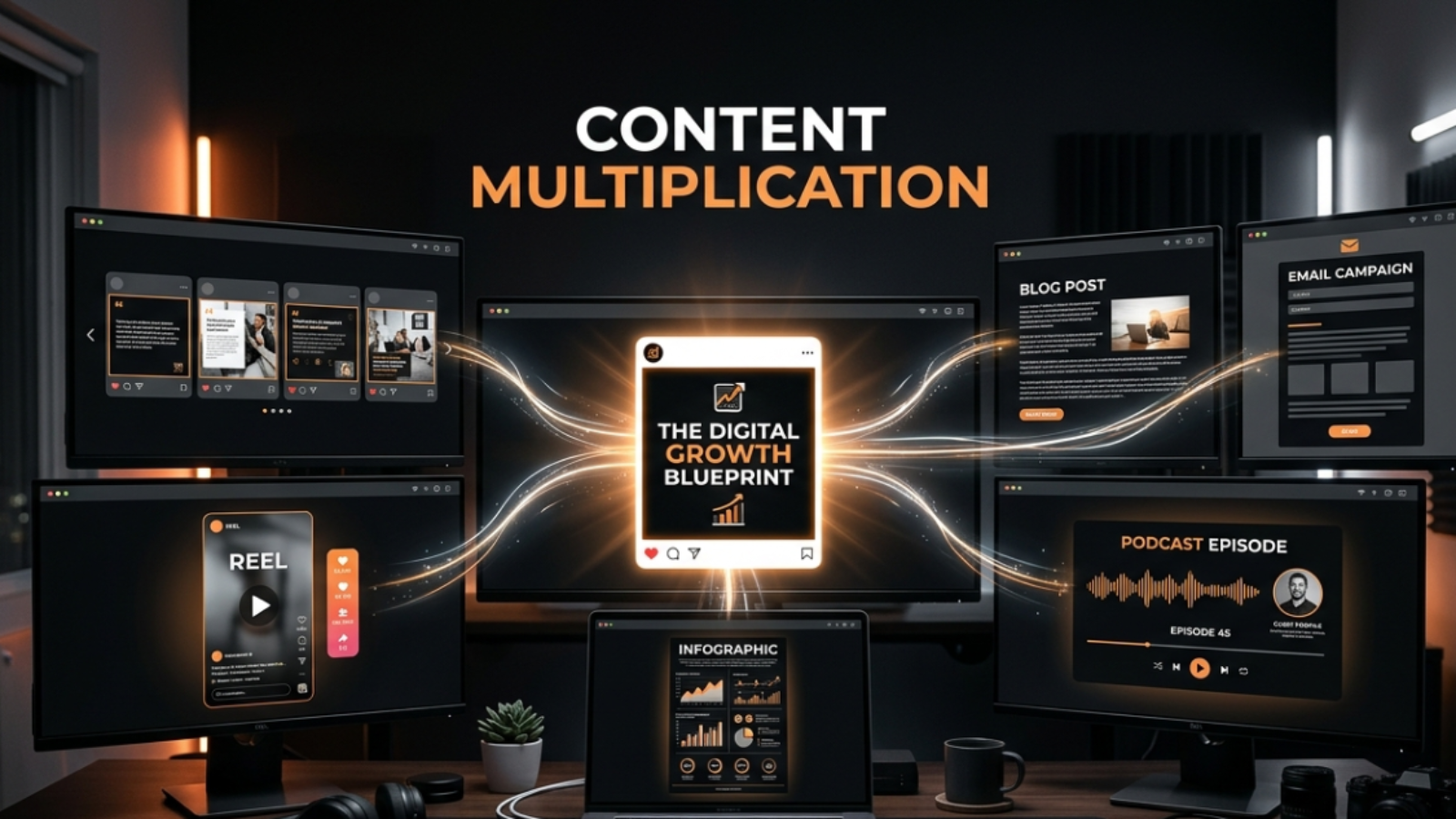
You Are Sitting on a Goldmine and Do Not Know It: How to Turn One Piece of Content Into Ten

Most businesses are not short on content. They are short on a system to make their content work harder than it currently does.

The Treadmill Nobody Talks About

There is a particular kind of exhaustion that content creators and marketing teams know well. It is the feeling of having published something, watched it get a decent amount of engagement for a day or two, and then having it disappear into the archive while the clock starts ticking on what to create next. The content treadmill. You keep running but the ground keeps moving and you never actually get anywhere.

The brutal irony is that most businesses are sitting on months or years of content that has already done the hard work of being created, researched, and published. They just never built a system to make that content travel further than its original format and platform.

Content repurposing is not a shortcut or a lazy workaround. It is a strategic discipline that the most efficient content marketing teams in the world treat as seriously as original content creation. And when it is done well, it multiplies the return on every piece of content you produce without proportionally multiplying the effort.

This blog is about how to build that system, what it looks like in practice, where it goes wrong, and why your best existing content is almost certainly your most underused marketing asset.

What Content Repurposing Actually Means

Repurposing is not copying and pasting the same content across different platforms. That is spam and it damages both your brand and your discoverability. Repurposing is the practice of taking the core idea, insight, or story from one piece of content and translating it into different formats, lengths, and contexts that serve different audiences and consumption habits.

A 2000-word blog post contains multiple ideas. Each of those ideas could be a LinkedIn post, a Twitter thread, a short-form video script, an email newsletter section, a carousel slide deck, a podcast talking point, or an infographic. The blog is not the final product. It is the source material. The final products are the ten to fifteen pieces of content that branch out from it across the platforms where your different audiences actually spend their time.

The Repurposing Playbook

Turn a Blog Post Into Short-Form Video

Every well-structured blog post has three to five main points. Each of those points is a short-form video. You do not need to summarise the entire blog. Take the single most surprising or counterintuitive point from the post and build a sixty-to-ninety second Reel or YouTube Short around it. End with a hook that directs the viewer to the full blog for more depth. You are not condensing the content. You are creating a doorway into it.

From Blog Post to Carousel

Carousels are among the highest-performing content formats on Instagram and LinkedIn right now. A blog post with five distinct sections becomes a five to eight slide carousel naturally. Each section heading becomes a slide headline. The opening paragraph of each section becomes the slide copy. The conclusion becomes the final call to action slide. The carousel does not replace the blog. It introduces the ideas to a visual audience that might never have found the blog otherwise.

From Blog Post to Email Newsletter

Your email subscribers are a different audience from your social followers in a very important way: they opted in to hear from you directly. They deserve more than a link to your latest post. Take one strong insight from the blog, expand it slightly with a personal angle or additional context, and write it as the main body of a newsletter. Include a brief paragraph at the end pointing to the full blog for readers who want to go deeper. The newsletter feels original. The source material was already written.

From Blog Post to Quote Graphics

Every well-written blog contains two or three sentences that are genuinely quotable. Pull them out. Put them on clean, brand-consistent graphic templates. Post them as standalone content on Instagram, LinkedIn, or WhatsApp Status. These quote graphics perform particularly well because they are easy to save and share, they build brand recognition around your thinking, and they take approximately ten minutes to produce once the blog has already been written.

From Multiple Blog Posts to a Comprehensive Guide

If you have published several posts on related topics, they can be assembled and lightly edited into a long-form downloadable guide or ebook. This serves a completely different purpose from the individual posts. It positions your brand as an authority on the topic, it gives you a lead magnet to build your email list, and it extends the shelf life of content that would otherwise sit dormant in your blog archive.

Where Repurposing Goes Wrong

Repurposing Without Adapting for the Platform

Every platform has its own culture, its own tone, and its own content norms. A blog excerpt posted verbatim to LinkedIn feels lazy and out of place. A caption that works for Instagram feels formal and strange on WhatsApp. Repurposing does not mean copying. It means translating. The idea stays the same. The format, the length, the voice, and the context all need to be adapted for where it is landing.

Repurposing Weak Content More Broadly

Not every piece of content deserves to be repurposed. If the original post performed poorly because the idea was not strong, the insight was not original, or the execution was mediocre, spreading it further does not fix any of those problems. It just puts mediocre content in more places. Repurposing amplifies quality. It does not compensate for the absence of it.

Over-Repurposing to the Same Audience

If the same audience follows you across multiple platforms and sees the same core idea repeated five times in a week across different formats, it feels repetitive rather than strategic. Repurposing works best when different formats reach genuinely different audience segments. The person who reads your blog is often not the same person who watches your Reels. Distribute across platforms precisely because the audiences are different, not despite it.

Building a Repurposing System That Runs Without Burning You Out

Start With a Content Audit

Before you create anything new, go through what you have already published. Look specifically for the content that performed best, content that covered evergreen topics that are still relevant today, and content where you had genuinely strong ideas that might not have reached a large audience the first time around. This archive is your repurposing starting point.

Build a Simple Content Map

For each piece of primary content you create, map out in advance which secondary formats you will produce from it and which platforms each format will live on. This does not need to be elaborate. A simple spreadsheet with the original piece in one column and the repurposed formats in subsequent columns is enough to build the habit of thinking about content as a system rather than a series of one-off posts.

Batch the Repurposing Work

Repurposing is most efficient when it is done in batches rather than immediately after each piece of original content. Set aside a dedicated block of time each week or fortnight to process your recent primary content into secondary formats. This batching approach prevents the creative context-switching that happens when you are constantly moving between original creation and format adaptation.

Final Thoughts: One Good Idea Deserves More Than One Audience

The content creation challenge most businesses face is not a shortage of ideas. It is a shortage of systems for making good ideas reach every audience that would benefit from them.

A genuinely useful insight does not stop being useful because it appeared in a blog post two months ago. Instead, it stops being useful when the people who need it never encounter it in the format they actually consume. In other words, the value of content is determined not only by its quality but also by its ability to reach the right audience through the right channel . Repurposing is not about recycling old content. It is about believing that the thinking you put into a good idea deserves to reach every person it could help, in whatever format they are most likely to engage with.

Work smarter with what you already have. The goldmine is already there.

mylstone 5 blog (2)

Mega Influencers Are Overrated: Why Micro Creators Are Winning the Trust Economy

A million followers does not mean a million people are listening. It means a million people clicked a button at some point in the past.

The Celebrity Endorsement Dream That Is Costing Brands a Fortune

There is a moment that happens in a lot of marketing planning meetings when someone says the words that sound like a guaranteed strategy: “What if we got a big influencer?” The room gets a little more excited. Someone opens Instagram and starts looking at profiles with seven-figure follower counts. Numbers are thrown around. A budget is identified. And then, months later, the campaign analytics come back and the results are… underwhelming.

This is one of the most common and most expensive disappointments in digital marketing right now. Brands spend significant portions of their marketing budget on macro and mega influencers, primarily because the follower count feels like a proxy for reach and influence. But follower count and actual influence stopped being the same thing a long time ago.

This blog is about why the influencer marketing landscape has shifted so dramatically, what the data actually says about micro creators, and how businesses of every size can build more effective partnerships with the people who are genuinely trusted by their communities.

Understanding the Influencer Tiers First

The influencer ecosystem is typically divided into four broad tiers based on follower count. Nano influencers have between one thousand and ten thousand followers. Micro influencers sit between ten thousand and one hundred thousand. Macro influencers have between one hundred thousand and one million. And mega or celebrity influencers have over a million followers.

The conventional wisdom, for most of the last decade, was that bigger was better. The logic was straightforward: more followers means more people see the content, more people see the content means more conversions. This logic is not entirely wrong. It is just incomplete, and the parts it misses are exactly the parts that determine whether a campaign actually works.

The Numbers That Changed the Conversation

Engagement Rates Tell a Different Story

Multiple industry studies on influencer marketing performance over the past three years have consistently found the same pattern: engagement rates decline as follower counts increase. Micro influencers in the ten thousand to one hundred thousand range typically generate engagement rates between three and eight percent. Mega influencers with over a million followers frequently see engagement rates below one percent. This is not a marginal difference. It is the difference between a community that genuinely listens and an audience that passively follows.

Trust Is the Currency That Matters Most

Nielsen’s annual global trust report consistently shows that people trust recommendations from people they feel are like them far more than they trust celebrity endorsements or traditional advertising. A micro influencer who built their following by sharing honest reviews of restaurants in Bengaluru, or documenting their journey through fertility treatment, or teaching small business accounting in Tamil, has something a mega influencer almost never has: perceived peer status. Their followers feel like they know them. And people act on recommendations from people they feel like they know.

Cost Per Genuine Engagement Is Dramatically Lower

When you divide the cost of a mega influencer partnership by the number of people who actually engaged with the branded content rather than just scrolled past it, the math rarely looks good. Micro influencer partnerships, even when you run five or ten of them simultaneously to match the raw reach of a single macro deal, often deliver a significantly lower cost per genuine engagement and a meaningfully higher conversion rate. The economics of micro influencer marketing have become impossible to ignore.

The Real Challenges of Working With Micro Creators

It would be misleading to suggest that micro influencer marketing is without friction. It has specific challenges that brands need to plan for.

Scale Requires Volume and Volume Requires Systems

Running one mega influencer campaign requires one contract, one brief, one set of approvals, and one round of content review. Running fifteen micro influencer campaigns requires fifteen of everything. The operational overhead is real and without proper management systems, influencer marketing software, or a dedicated team, it can become chaotic quickly. Brands that try to scale micro influencer programmes without the right infrastructure often end up with inconsistent messaging and patchy execution.

Quality Control Across Multiple Creators

Every micro influencer has their own voice, their own aesthetic, and their own relationship with their audience. This is exactly what makes them effective, but it also means that maintaining brand consistency across multiple creator partnerships is genuinely difficult. Too strict a brief kills authenticity. Too loose a brief produces content that does not feel like your brand. Finding the right balance requires experience and often a lot of trial and error.

Vetting Is More Work but More Important

With mega influencers, vetting is relatively straightforward. The profile is public, the history is documented, and the audience demographics are usually available through media kits. With micro influencers, especially in emerging niches or regional markets, vetting requires more effort. Fake followers, artificially inflated engagement through pods, and audiences that do not match the claimed demographics are real problems in the micro influencer space.

How to Build a Micro Influencer Strategy That Actually Works

Start With Niche Alignment, Not Numbers

The most important criterion for choosing a micro influencer partner is not their follower count. It is the specificity of their niche and the depth of their authority within it. A nutritionist with eight thousand followers in your city who speaks directly to the demographic you are trying to reach will consistently outperform a lifestyle blogger with eighty thousand followers whose audience is scattered across multiple interests and geographies.

Build Relationships, Not Transactions

The micro influencer partnerships that produce the best long-term results are the ones that feel like genuine relationships rather than paid transactions. Engage with their content before you approach them. Offer product experiences rather than scripted endorsements. Give them creative latitude. Check in on campaign performance together and treat their feedback as valuable insight. Micro influencers who genuinely believe in what they are promoting produce content that their audiences can feel is authentic. And authenticity is the only thing that drives real purchasing decisions.

Measure the Right Things

Stop measuring micro influencer campaigns by impressions. Measure them by link clicks, promo code redemptions, direct messages mentioning the creator, and actual conversions. These are the numbers that tell you whether the partnership created genuine action. Impressions tell you how many times your content appeared on a screen. They say nothing about whether anyone cared.

Final Thoughts: Trust Has Always Been the Product

Influencer marketing, at its best, has always been a trust transfer. A person your potential customer already trusts tells them about your brand, and some of that trust flows in your direction. The mechanics have changed dramatically since the early days of Instagram sponsorships, but this core dynamic has not.

The question every brand should be asking is not “how many people will see this?” but “how many people who see this will actually trust the person showing it to them?” That question almost always points toward the micro creator with a deeply connected, highly engaged community of ten thousand people rather than the celebrity with a million passive followers.

In the trust economy, smaller and more specific has become more powerful than big and broad.

Mylstone-Blog-Banners-1024x576 (1)

Boosting Your Business: The Power of Social Media in Shaping Brand Identity

In today’s digital age, how businesses establish their brand identity and connect with their audience has significantly transformed. With its dynamic and interactive nature, social media has become an indispensable tool for shaping and amplifying brand identity. In this blog, we’ll explore the powerful influence of social media marketing on brand identity, brand awareness, and brand reputation.

Defining Brand Identity

Before we delve into the impact of social media on brand identity, let’s define what brand identity entails. The unique set of characteristics establishes a brand, encompassing its values, personality, mission, and visual elements such as logos and colors. Brand identity serves as the face of your business and creates an emotional connection with your target audience.

The Role of Brand Identity in Business Success

Brand identity isn’t just about creating an attractive logo or catchy tagline; it’s the cornerstone of business success. A strong brand identity helps your business stand out in a crowded marketplace, fosters brand loyalty, and builds customer trust. It’s the foundation for building lasting relationships and generating brand awareness.

Changes in Brand Identity Development: Traditional Versus Modern Approaches

Developing and managing brand identity in the past relied heavily on traditional marketing methods, such as print media and television advertising. However, the advent of social media has disrupted the conventional approach. Modern brand identity development is a dynamic, two-way conversation, unlike a one-way broadcast.

Traditional methods often dictate the message to the audience, whereas social media allows businesses to engage and interact with their customers, shaping brand identity collectively. Social media fosters transparency, making it easier for brands to communicate their values and mission effectively.

Emergence and Evolution of Social Media

The emergence of social media platforms marked a paradigm shift in the business world. From the early days of MySpace and Friendster to today’s giants like Facebook, Instagram, Twitter, and LinkedIn, social media has evolved into a powerful marketing tool.

Brands can create profiles on these platforms, tailor content to specific audiences, and interact directly with customers. The ability to communicate in real time and on a personal level has made social media a game-changer in shaping brand identity.

Social Media’s Impact on Communication and Marketing

Social media’s profound influence on communication and marketing is indisputable. It bridges your brand with your audience, shaping brand identity in several ways.

User engagement metrics on platforms like Facebook and Instagram, such as likes, comments, and shares, offer insights into audience perceptions. Positive interactions strengthen brand identity and drive awareness. Social media analytics empower businesses to track content and campaign performance, using data-driven insights to refine brand identity strategies.

Understanding the Relationship Between Brand Identity and Social Media

Brand identity is the heart and soul of your business. It encompasses everything from your logo and tagline to your values and personality. Social media is the channel through which this identity reaches your audience. It’s the dynamic platform where your brand comes to life. Social media is where you show rather than tell your story to the world. You can breathe life into your brand identity through engaging content, meaningful interactions, and consistent messaging.

Choosing the Right Social Media Platforms

The vast and varied social media landscape offers an array of platforms, each with its unique audience and purpose. To effectively shape your brand identity, you must carefully select the platforms that align with your brand’s values and target audience. For instance, image-centric brands may find a home on Instagram, while those catering to professionals may thrive on LinkedIn. Choosing the right platforms ensures your brand identity is presented to the most receptive audience.

Crafting a Consistent Brand Identity across Platforms

Consistency is the linchpin of brand identity. Your messaging, visuals, and tone must align across all chosen social media platforms. A cohesive brand identity reinforces your message and fosters recognition. Ensure that your logo, color scheme, and core values remain consistent, but also adapt your content to suit the nuances of each platform. Flexibility and authenticity are essential. While consistency is vital, adapting to the unique language of each forum ensures your brand remains relevant and engaging.

Engaging with Audiences Effectively

Engagement is the heartbeat of social media. It’s where your brand identity thrives or withers. Actively engaging with your audience boosts brand awareness and fortifies brand reputation. Responding to comments, addressing concerns, and fostering meaningful conversations demonstrate your brand’s authenticity and dedication. Further, leveraging social media analytics tools allows you to track your engagement metrics, understanding what works and what doesn’t, enabling you to adapt and refine your brand identity strategy.

Wrap-up: Maximizing Social Media for Brand Identity

Maximizing social media for brand identity is a dynamic process. It’s about storytelling and creating emotional connections. Every piece of content you share, every response you make, and every campaign you run should reinforce your brand identity. Social media isn’t just a marketing tool; it’s a platform for building relationships and trust.

Your brand’s identity isn’t static in today’s fast-paced digital world. It evolves with the ever-changing dynamics of social media. The power of social media in shaping brand identity is unparalleled. It is where you can reach your audience, build trust, and showcase your brand’s authenticity. Embracing social media as a core component of your brand identity strategy is not a choice; it’s a necessity.

As you harness the potential of social media marketing, remember that your brand identity isn’t just about your logo or tagline; it’s about the emotions and perceptions it evokes. It’s the embodiment of your mission, vision, and values. Use social media to paint a vivid picture of your brand, make your story relatable, and foster connections with your audience. In doing so, you’ll amplify your business and solidify your place in the hearts and minds of your customers. Social media is the canvas, and your brand identity is the masterpiece waiting to be crafted.

1-1024x576

Top 10 Online Branding Techniques for Interior Designers in 2023

In the world of interior design, standing out has never been more critical than it is today. The digital age has brought unparalleled opportunities to showcase your talent, but it’s also presented interior designers with a new set of challenges. 

Online branding is more than just a trend; it’s necessary. It’s important to keep in mind that your online presence is usually the initial point of contact for prospective clients to familiarize themselves with your work. It’s a showcase of your style, creativity, and expertise. Utilizing digital marketing, social media marketing, and paid advertisements can amplify your brand’s reach and impact.

Build a Strong Brand Foundation

Your brand identity is your digital fingerprint. In a sea of interior designers, what sets you apart? Is it your minimalist aesthetic, eco-friendly approach, or passion for vintage design? Define your unique brand identity to attract clients who resonate with your style. Sharing your story is a powerful implementation in digital marketing. Share your journey, inspirations, and values through a compelling brand story. Clients connect with narratives that reflect authenticity and passion.

Not every client is your ideal client, and that’s perfectly fine. Identify your target audience and niche within the interior design world. Are you the go-to designer for eco-conscious homeowners or urban dwellers seeking a minimalist touch? Tailor your brand to cater to your chosen niche.

Showcase Your Work through a Stunning Portfolio Website

Your website is your digital storefront. It should be visually captivating, showcasing your best projects through high-quality images and well-structured design. Make sure your website ranks satisfactorily on search engines using digital marketing techniques such as SEO. Digital marketing is complete with SEO. Use keywords like “interior design,” “home decor,” and “design inspiration” to optimize your website’s content. High-ranking websites are more likely to attract organic traffic Simplify user experience by creating a website with clear calls to action, easy navigation, and responsive design for desktop and mobile devices.

Utilize Search Engine Optimization (SEO) Strategies

Digital marketing is crucial for interior designers to connect with their audience and build their brand online. One such pivotal technique is Search Engine Optimization (SEO). SEO is not just a random word; it’s a roadmap to enhance your digital presence and make your interior design expertise known. Incorporating SEO techniques into your online strategy ensures your website ranks well on search engines. This strategy can establish you as a leading authority in your field by driving organic traffic. Your brand should be in their results when potential clients search for interior design services.

SEO complements other strategies like social media marketing. It ensures your captivating content reaches your target audience effectively. Essentially, it’s about creating a brand that speaks to your clients, making their dream spaces a reality. So, as you embark on your online branding journey, remember that SEO is the cornerstone of your success.

Leverage the Power of Social Media Platforms

Platforms like Instagram, Pinterest, and Houzz are particularly valuable for interior designers. Use digital marketing strategies to identify the most relevant platforms for your brand. Digital marketing on social media is all about visual storytelling. Share images and videos of your design projects, tips, and behind-the-scenes glimpses of your creative process. Interact with your audience’s comments and foster a sense of community to build a strong connection. Don’t just post content; build a community. Encourage discussions, ask for opinions, and create a space where design enthusiasts can connect and share their thoughts. Engagement is key in the world of social media marketing.

Use the Potential of Visual Platforms

Instagram is a digital marketing powerhouse for interior designers. Use it to share your portfolio, design inspirations, and glimpses of your daily life. Leverage relevant hashtags to expand your reach. Pinterest is a goldmine for design inspiration. Create boards that reflect your style and pin your work. Link your pins to your website to drive traffic and convert visitors into clients.

Promote through Influencer Marketing

In the fast-paced world of interior design, influencer marketing has emerged as a powerful digital marketing tool. However, choosing influencers who resonate with your design philosophy is essential. Look for influencers who share your passion for aesthetics and values. Collaborating with influencers is akin to a creative partnership in the digital marketing realm. You can reach a broader and more engaged audience by aligning your designs with their influence. It’s about creating a harmonious synergy that speaks to your target market. In digital marketing, building lasting relationships with influencers is key. Rather than one-off collaborations, focus on forging long-term partnerships. Nurture these connections by supporting each other’s work and staying true to your shared design vision.

Showcase Expertise through Content Marketing

Content is the cornerstone of digital marketing. Share your thoughts and expertise by writing informative blog posts and articles! Offer practical design advice, highlight the latest trends, and provide your audience with valuable insights that set you apart as an authority in interior design. Video content is on the rise and is an excellent medium for showcasing your design prowess. Create captivating videos that showcase your design projects, offer tutorials, and inspire others to unleash their creativity.

Expand your digital marketing horizons by collaborating with fellow design enthusiasts. Guest blogging on each other’s platforms or engaging in cross-promotions can amplify your reach and introduce your work to a broader audience.

Enhance Credibility with Client Testimonials and Reviews

In the realm of digital marketing, trust is paramount. Harness the power of client testimonials and reviews to build credibility. These authentic voices provide social proof of your expertise and reliability. At the end of each project, seek feedback from your clients. Use their insights to enhance your services and promote their positive experiences on your website and social media. Leverage online review platforms like Houzz and Yelp to gather and showcase reviews. These platforms add a layer of credibility and help attract potential clients searching for authentic feedback.

Generate Backlinks to Direct Prospective Clients to Your Website or Social Media Profiles

Establishing a digital presence is essential in online branding. One effective technique to draw potential clients to your website or social media platform is to create backlinks. Backlinks serve as virtual pathways, guiding interested individuals to your online spaces. When other reputable websites or blogs link to your interior design content, it bolsters your credibility and enhances your visibility. It’s like having fellow design enthusiasts vouch for your expertise. These backlinks act as endorsements, validating your skills and drawing organic traffic to your platforms.

So, as you embark on your online branding journey, consider the power of backlinks. Encourage collaborations, guest posts, or partnerships with relevant websites or influencers in the interior design field. By cultivating these connections, you enrich your digital presence and open doors to a broader audience eager to explore your design skills.

Maximize Exposure through Online Advertising

Invest in online advertising strategically. Maximize your reach using Google Ads and social media ads. Allocate your digital marketing budget wisely to maximize return on investment. Identify your ideal clients and craft ad campaigns that resonate with them. Employ demographic targeting, keywords, and interests to refine your audience and increase the likelihood of conversions. Regularly assess the performance of your ad campaigns. Use data and insights to boost your digital marketing game. Optimize your ad spending to achieve the best possible return on investment.

In summary, these ten online branding techniques are the keys to success for interior designers in 2023. They involve building authentic relationships, showcasing expertise through content marketing, enhancing credibility, embracing email marketing, and maximizing exposure through online advertising. The digital marketing landscape is ever-changing. Staying relevant and adapting to new trends and technologies is essential for long-term success. Keep learning, experimenting, and evolving your online branding strategies.

Interior designers face challenges and opportunities in the digital marketing landscape. By mastering these online branding techniques, you’ll stay competitive and thrive in the dynamic world of interior design. Your journey to success begins with a solid online brand presence, and with dedication and creativity, the possibilities are endless. Embrace the digital age, and let your design vision shine.

3-1024x576

The Ultimate Marketing Guide for Educational Institutions: Reaching New Heights

Marketing plays a role in ensuring the success of institutions operating in the fiercely competitive industry. A designed marketing strategy can attract students, enhance the institution’s reputation, and achieve enrollment goals. However, educational institutions need help with promoting their offerings.

Educational institutions encounter hurdles that distinguish them from industries. These challenges include;

  1. Resources: Educational institutions often have tight budgets and must optimize their marketing efforts for maximum cost-effectiveness.
  2. Credibility: Parents and students prioritize institutions with a reputation and a proven track record of success.
  3. Lengthy decision-making process: Selecting an institution is not a decision but a thoughtful process that takes time, requiring consistent and targeted marketing efforts over an extended period.
  4. Competition within the industry: With institutions vying for attention, each institution must differentiate itself from its competitors to stand out.

By addressing these challenges head-on, educational institutions can navigate through the landscape of the education industry effectively.

  1. Start by establishing a brand identity:

Your brand identity serves as the cornerstone of your marketing efforts. It sets you apart from institutions. Captures the attention of potential students. When crafting your brand identity take into account the following elements-

  •  Mission and values: What are the core principles that drive your institution? What do you aspire to accomplish?
  •  Target audience: Who are you trying to reach? What are their specific needs and interests?
  •  Competition analysis: Which other institutions are in consideration for your target audience? What sets you apart from them?
  •  Selling proposition: What makes your institution stand out in comparison to others? What offerings can you provide?

Once these factors are clearly understood it becomes possible to develop a relevant brand identity for your institution. This may include creating a logo, choosing a color scheme, crafting a memorable tagline, and shaping overall messaging.

2. The Power of Storytelling in Educational Marketing:

People are more likely to connect with brands that tell a story. When marketing your educational institution, focus on your students, faculty, and alumni levels. These stories will help prospective students to see themselves as part of your community and to understand the value of what you offer. For example, you could create a video series featuring interviews with students about their experiences at your institution. Or, you could write blog posts about the research of your faculty members. The goal is to share the stories that make your institution unique and special.

3. Use Social Media Effectively:

Social media is a powerful tool for connecting with prospective students. Use it to share interesting content, answer questions, and build relationships. Be sure to use relevant hashtags and keywords so that potential students can find your posts. For example, you could create a social media campaign using the hashtag #[your institution’s name]. This would allow students to share their stories about their experiences at your institution. You could also use social media to host live Q&As with your faculty and staff.

4. Host Events and Open Houses:

One of the best ways to connect with prospective students is to host events and open houses. This lets them experience your institution firsthand and learn more about your programs. For example, you could host a welcome event for new students and their families. Or, you could hold an open house for prospective students to tour your campus and meet with faculty and staff.

5. Partner with Businesses and Organizations:

Partnering with businesses and organizations can help you reach a wider audience and build relationships with potential employers. Look for partners that are aligned with your institution’s mission and values. For example, you could partner with a local business to offer scholarships to students interested in that field. Or, you could partner with an organization that provides career counseling services to students.

6. Use Video Marketing:

Video is a powerful way to tell your story and connect with prospective students. Create videos about your programs, your faculty, and your students. For example, you could create a video about your student life. This could include interviews with students about their experiences and footage of on-campus activities.

7. Get Involved in the Community:

Engaging with the community is an approach to fostering relationships and demonstrating your dedication to making a positive impact. Participating in events lending a hand as a volunteer and endorsing businesses are excellent ways to get involved. For instance, consider sponsoring a youth sports team or offering your time at a soup kitchen, in your neighborhood.

8. Personalize Your Marketing:

Don’t just send out the same generic message to everyone. Take the time to learn about your target audience and tailor your marketing messages accordingly. This could include using different language and images depending on your target audience. For example, if you are targeting high school students, you might use more casual language and images. If you target parents, use more formal language and pictures.

9. Measuring Marketing Success:

To ensure the effectiveness of marketing strategies, educational institutions need to track, measure, and evaluate their efforts. This involves:

  • Tracking Website Analytics and Lead Generation Metrics
  • Utilizing website analytics tools like Google Analytics provides valuable insights into website traffic, user behavior, and conversion rates. Tracking lead generation metrics allows institutions to measure the effectiveness of their campaigns and optimize accordingly.

A comprehensive marketing strategy is essential for educational institutions to reach new heights. By understanding the target audience, crafting a compelling brand identity, leveraging digital marketing channels, building relationships with prospective students, utilizing content marketing, harnessing the power of social media, leveraging influencer marketing, optimizing website design, expanding reach through partnerships, engaging alums for advocacy, measuring marketing success, and learning from successful case studies, educational institutions can thrive in a competitive market.

How Our Digital Marketing Agency Can Help:

Our team of experienced digital marketing specialists can help your educational institution achieve its enrollment goals by:

  • Developing a comprehensive digital marketing strategy: We will work with you to identify your target audience, develop engaging content, and create effective campaigns across various digital channels.
  • Optimizing your website: We will ensure your website is mobile-friendly, search engine optimized, and easy for prospective students to navigate.
  • Managing your social media: We will create and manage engaging social media content that interacts with your target audience and promotes your brand.
  • Running paid advertising campaigns: We will develop targeted advertising campaigns on platforms like Google Ads and Facebook Ads to reach your ideal students.
  • Tracking and reporting on results: We will provide you with regular reports on the performance of your campaigns, allowing you to track your progress and make data-driven decisions.

Ready to reach new heights?

Mylstone-Blog-Banners-1-1024x576

Boost Your Preschool’s Online Presence: How to Master Social Media Marketing

In the current era of technology, it is imperative for preschools to establish a prominent online presence in order to achieve growth and success. As parents increasingly turn to the internet to research educational options for their children, mastering social media marketing can be a game-changer. This comprehensive guide will explore the significance of establishing an online presence for preschools and delve into social media marketing to help you navigate this exciting digital landscape.

The Importance of an Online Presence for Preschools

Before diving into social media marketing, let’s understand why an online presence is crucial for preschools. In an era where information is just a click away, parents rely heavily on the internet to research and make informed decisions about their child’s education. An online presence provides information and serves as a platform for engagement and interaction, building trust and credibility with parents.

Why Social Media Marketing Matters

The source of social media platforms has drastically changed the way we interact and establish contacts with other people. For preschools, social media offers a powerful means to reach and engage with parents personally. It allows you to showcase your preschool’s unique qualities, share valuable educational content, and foster a sense of community among parents. Social media marketing matters because it lets you stay relevant, increase visibility, and boost enrollment.

Understanding Your Target Audience

To effectively harness the power of social media, it’s essential to understand your target audience: parents. Different social media platforms attract varying demographics, and tailoring your approach to match your audience is vital. By delving into the demographics of parents on social media, you can determine which platforms are most suitable for reaching them. Parents have distinct preferences regarding consuming information and engaging with content. Some may prefer informative articles, while others enjoy visual content like videos and graphics. By analyzing these preferences, you can craft content that resonates with your audience. Social media trends are constantly evolving, and it’s crucial to stay updated. The way parents use social media today might be different from how they did a year ago. You can keep your social media strategy effective and engaging by staying updated on current trends.

Setting Up a Strong Foundation

Your preschool’s website is often the first point of contact for parents. Therefore, it should be visually appealing, user-friendly, and packed with relevant information. Whether you’re creating a new website or updating an existing one, this is where your online journey begins. In the vast ocean of the internet, being discoverable is crucial. Optimizing your website for search engines increases visibility when parents search for preschools in your area. Visual branding is a powerful tool for recognition and trust-building. Creating an engaging logo and visual identity for your preschool helps establish a consistent and memorable image across all online platforms.

Creating Quality Content

Content is at the heart of social media marketing. To captivate your audience, you must create posts that grab their attention and provide valuable information. These posts should reflect your preschool’s values and educational philosophy. Visual content is inherently more engaging than text alone. Learn how to effectively integrate photos, videos, and graphics to convey your preschool’s unique qualities and educational approach. Interaction is the key to building a community online. Discover how to create interactive content, such as polls, quizzes, and contests, to engage with parents and encourage participation.

Building a Content Calendar

Consistency is vital in social media marketing. A content calendar helps you stay organized, plan, and ensure a steady flow of content to keep your audience engaged. Your content should align with seasons and themes that matter to parents to remain relevant and timely. By planning, you can create content that resonates with your audience’s interests and needs. Timing matters in the world of social media. Find out the optimal posting schedule for maximum audience engagement.

Growing Your Online Community

Growing your online community takes effort and strategy. Learn practical techniques for attracting followers and increasing likes on your social media profiles. User-generated content is a valuable asset. Explore ways to encourage parents to create content related to your preschool, fostering a sense of belonging and community. Engagement is a two-way street. Discover best practices for responding to comments, messages, and reviews, and learn how to interact with your audience to build lasting connections.

Advertising on Social Media

Social media ads expand reach and connect with potential parents. This section will help you understand how each can benefit your preschool’s online presence. From sponsored posts and carousel ads to targeted campaigns, we’ll unravel the world of social media advertising so you can make informed decisions that align with your marketing goals and budget. Local targeting is the holy grail of preschool marketing. Learn how to create laser-focused ads that reach parents in your community. We’ll discuss the importance of location-based targeting, demographic filters, and other strategies to ensure your ads land in the right hands.

Utilizing User Reviews and Testimonials

Online reviews can make or break your preschool’s reputation.  Positive testimonials are golden nuggets of credibility. Learn how to leverage these glowing endorsements to promote your preschool effectively. From showcasing them on your website to incorporating them into your social media content, we’ll explore creative ways to make the most of your satisfied parents’ words. Receiving negative feedback is unavoidable, but the way you deal with it can have a significant impact. Find best practices for addressing negative reviews and feedback on social media. 

Analyzing Social Media Metrics

To gauge the effectiveness of your social media efforts, you need to understand key metrics like reach, engagement, click-through rate (CTR), conversion rate, and more. By grasping the significance of these metrics, Get insights on your preschool’s online performance with our analytics tools. Analyze your social media data and make data-driven decisions to improve your strategy. Social media is dynamic, and your strategy should be, too. We’ll explore techniques for assessing the effectiveness of your current social media plan. Learn how to identify what’s working, what’s not, and how to pivot your strategy for better results. Continuous improvement is the key to a thriving online presence.

Ensuring Online Safety and Privacy

Maintaining a safe and responsible online presence is paramount for preschools. Children’s privacy is a top priority. Find best practices for protecting the children’s online privacy in your preschool’s care. We’ll discuss the importance of obtaining consent for sharing children’s images and information online and how to communicate this effectively with parents. Empowering parents with knowledge about online safety is part of your responsibility. We’ll guide educating parents about social media’s potential risks and benefits, equipping them to navigate the digital world safely alongside their children.

Mastering social media marketing is a transformative journey for preschoolers. Establishing a robust online presence, understanding your audience, crafting quality content, and ensuring online safety are vital components of a successful strategy. You can build a thriving online community by training your staff, implementing social media policies, and continually educating your team and parents.

Embrace the digital age and let your preschool shine online. As we wrap up our guide, remember that the key to success lies in consistency, engagement, and a genuine commitment to providing young learners with the best possible educational experience.